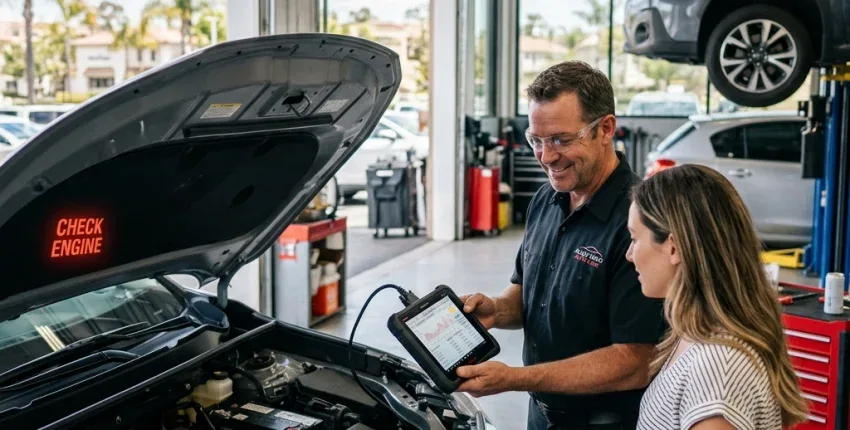
We’ve all been there. You’re driving down Aliso Creek Road, heading to the Town Center for a quick errand, when that little amber glow suddenly pops up on your dashboard. Your heart sinks a little. Is it a loose gas cap? Is the engine about to give up? Or is it just a glitch?
When that check engine light in Aliso Viejo comes on, it’s easy to feel a mix of frustration and anxiety. At Aliso Viejo Auto Service, we see neighbors every day who are unsure of what to do next. Unfortunately, making the wrong move: or no move at all: can turn a simple sensor replacement into a massive repair bill.
We believe in honesty and transparency. You deserve to know exactly what’s going on with your car without the technical jargon or the high-pressure sales pitch. Here are the seven most common mistakes we see Aliso Viejo drivers making with their check engine lights and, more importantly, how you can fix them.
1. The “Wait and See” Mistake: Ignoring the Light Completely
The absolute biggest mistake you can make is ignoring the light and hoping it goes away. We get it: life is busy, and as long as the car is still running, it feels like a problem for “future you.”
Think of your check engine light like a low-grade fever. It’s your car’s way of saying something isn’t quite right internally. If you ignore a fever, it might turn into a full-blown illness that puts you in bed for a week. In your car, a small issue like a faulty oxygen sensor can eventually lead to a clogged catalytic converter: a repair that costs thousands instead of hundreds.
The Fix: Treat the light as a helpful heads-up, not a nuisance. If it stays on for more than one or two driving trips, it’s time to get a professional opinion. Staying ahead of it is the best way to ensure top-tier performance and safety.
2. Forgetting the $20 Solution: The Loose Gas Cap
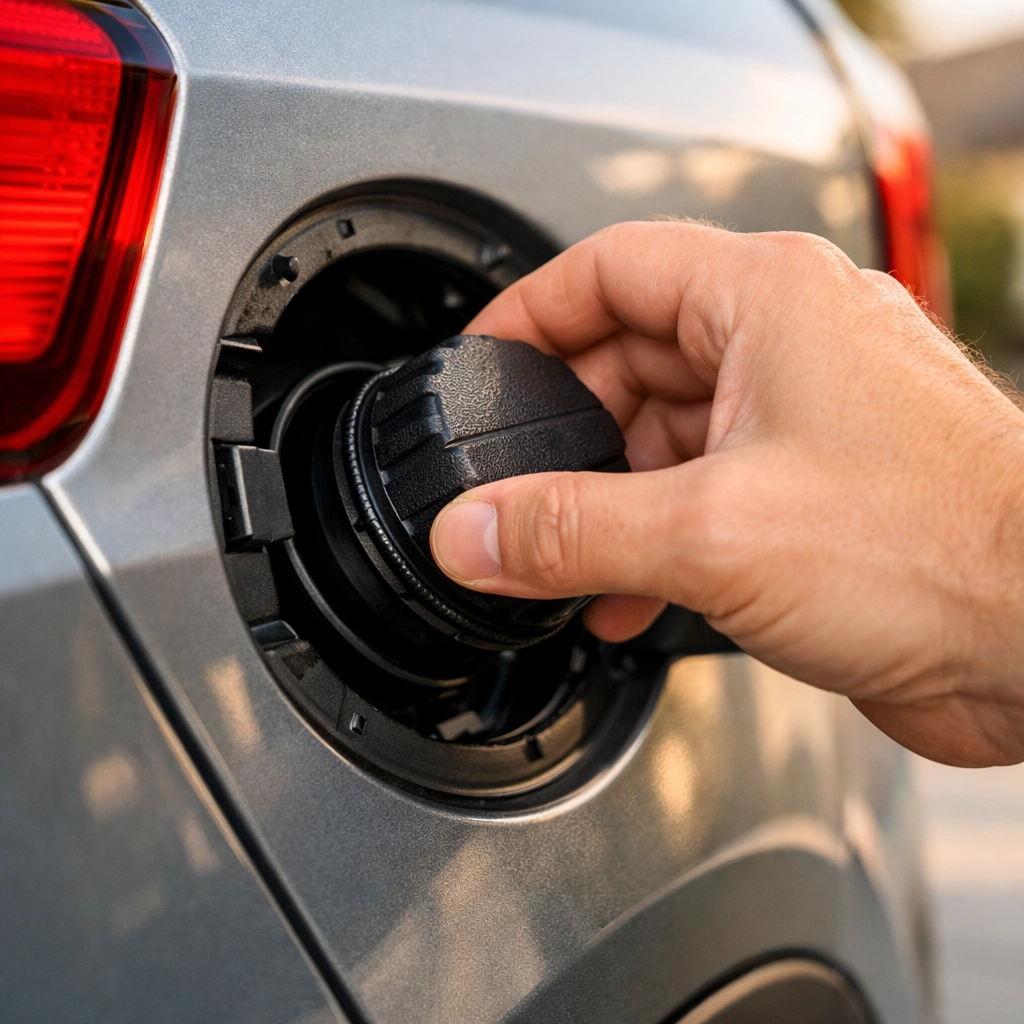
It sounds like an urban legend, but it’s 100% true. Your car’s computer monitors the pressure in your fuel system. If your gas cap is loose, cracked, or missing, the system detects a leak and triggers the check engine light.
We’ve seen many folks spend hours worrying about a major engine failure when all they needed to do was click their gas cap a few more times.
The Fix: Before you panic, pull over safely and check your gas cap. Tighten it until it clicks. Keep in mind that it might take a few miles of driving for the light to reset itself once the pressure is restored. If the cap looks worn out or the rubber seal is cracked, replacing it is a cheap and easy first step.
3. Confusing a “Steady” Light with a “Flashing” Light
Not all check engine lights are created equal. A steady light means there’s an issue that needs attention soon, but you aren’t in immediate danger of a breakdown. However, a flashing check engine light is an emergency.
A flashing light typically indicates an “engine misfire” so severe that unburned fuel is being dumped into your exhaust system. This can overheat your catalytic converter almost instantly, leading to a potential fire hazard or total engine failure.
The Fix: If the light is flashing, pull over as soon as it is safe to do so and have the vehicle towed. Continuing to drive can cause irreversible damage to your engine’s internal components. If the light is steady, you can continue to your destination, but avoid heavy acceleration or towing until you can get a vehicle inspection.
4. Relying Solely on a “Free Code Scan”
Many auto parts stores offer a free code scan, which sounds like a great deal. However, the code they give you (like P0300) only tells you where the computer detected a problem, not why it happened.
For example, a “Lean Condition” code doesn’t necessarily mean you need a new sensor. It could be a vacuum leak, a dirty fuel injector, or even a failing fuel pump. Simply swapping the part mentioned in the code is often a waste of money because it doesn’t fix the root cause.
The Fix: Use the code as a starting point, but trust an ASE-certified technician to perform a real diagnostic. At Aliso Viejo Auto Service, we use professional-grade diagnostic equipment to see live data from your engine, allowing us to pinpoint the exact failure. This honest approach saves you from buying parts you don’t actually need.
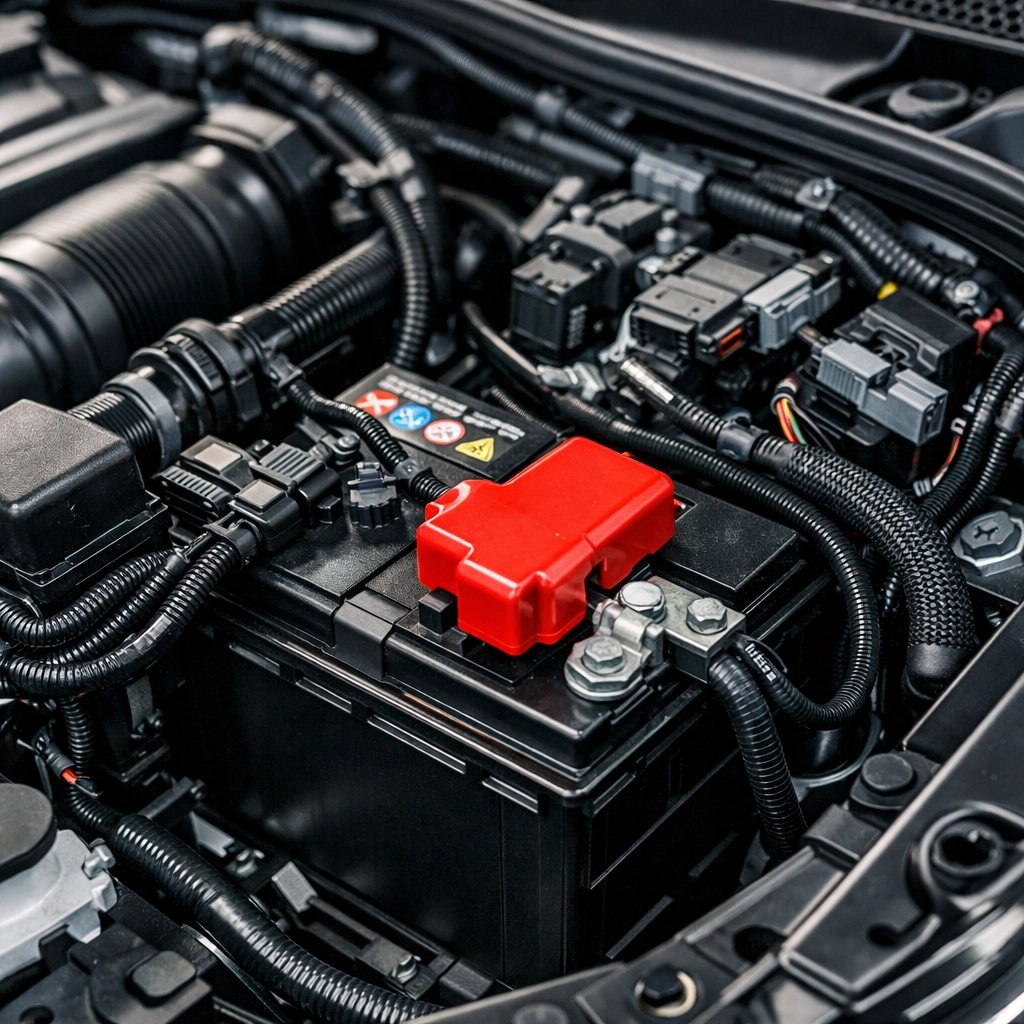
5. Clearing the Light by Disconnecting the Battery
We see this “hack” on the internet all the time. The idea is that if you disconnect the battery, the computer resets, and the light goes off. While this might temporarily turn the light off, it does absolutely nothing to fix the underlying problem.
Worse yet, clearing the codes can delete the “freeze frame” data that mechanics use to see exactly what the engine was doing when the light first came on. It’s like a doctor trying to diagnose an illness after you’ve taken a bunch of medicine to hide the symptoms; it just makes our job harder and your repair more expensive.
The Fix: Leave the battery alone. If the light is on, the computer is trying to tell us something important. Let us read that information so we can give you a clear, honest answer about what your car needs.
6. Overlooking the “Side Effects” of the Light
When the check engine light is on, your car often enters a “limp mode” or a less efficient operating state. You might notice your gas mileage dropping significantly, or the car might feel sluggish when you’re merging onto the 73 toll road.
If you ignore the light because the car “seems fine,” you’re likely paying for it at the pump every single week. A car running with a check engine light can lose up to 40% of its fuel efficiency.
The Fix: Pay attention to how the car feels. Do you smell something like rotten eggs? (That’s your catalytic converter). Do you feel a slight shudder or vibration? (That could be spark plugs or ignition coils). Identifying these sensory clues helps us get to the bottom of the problem faster.
7. Waiting Until the Week of Your Smog Check
In California, a glowing check engine light is an automatic fail for your smog inspection. Many Aliso Viejo residents wait until their registration is due to address the light, only to find out that the repair requires parts that need to be ordered or a “drive cycle” that takes several days to complete.
After a repair, your car’s computer needs time to run “readiness monitors” to prove that the emissions systems are working correctly. If you clear the light and immediately drive to the smog station, you’ll likely fail because the system is “Not Ready.”
The Fix: Address the light at least a month before your smog check is due. This gives you plenty of time to get an honest repair and complete the necessary driving to pass your inspection without the stress of a looming deadline.
Why Trust Aliso Viejo Auto Service?
We know that dealing with car repairs can be stressful. Our goal is to take the mystery out of the process. When you bring your car to us for a check engine light in Aliso Viejo, we don’t just give you a list of repairs: we explain why they matter and how they affect your vehicle’s longevity.
Whether it’s a simple fix like a serpentine belt adjustment or a more complex transmission maintenance issue, we treat every car as if it belonged to our own family.
Peace of Mind is Just a Visit Away
Don’t let that little amber light steal your peace of mind. Most check engine issues are straightforward and affordable if caught early. By avoiding these seven common mistakes, you’re protecting your car, your wallet, and your safety on the road.
If your light is on, come see us at Aliso Viejo Auto Service. We’ll provide a clear, honest diagnosis and get you back on the road with confidence. Our process is simple, fast, and designed to be completely stress-free for our Aliso Viejo neighbors.
Ready to clear that light for good? Click here to learn more about our services or stop by the shop today. We’re here to help!