You turn the key in the ignition and suddenly hear a high-pitched squeal. Maybe it only happens for a few seconds. Maybe it lingers while you drive. Either way, that sound is your car asking for attention.
A serpentine belt squeal is one of the most common warning signs drivers experience. It may seem minor at first, but ignoring it can lead to bigger problems under the hood. Understanding what causes belt squeal when starting, recognizing belt tensioner symptoms, and knowing when to act can save you from unexpected breakdowns.
Let’s break down what is happening, why it matters, and what you should do next.
What Is a Serpentine Belt and Why Is It Important?
The serpentine belt is a long, rubber belt that winds around several pulleys at the front of your engine. It powers critical components such as:
- The alternator
- The power steering pump
- The air conditioning compressor
- The water pump in many vehicles
Because it runs multiple systems, it is sometimes called an accessory belt. When this belt fails, those systems stop working properly.
Think of it as the link that keeps everything moving in sync. Without it, your vehicle can quickly go from dependable to disabled.
Why Is My Car Making That Squealing Sound?
A serpentine belt squeal typically happens when the belt slips on one of the pulleys. This slipping creates friction, which produces that unmistakable high-pitched noise.
One of the most common scenarios is belt squeal when starting the engine. During startup, your engine demands extra power. If the belt is worn or loose, it can slip briefly before catching grip.
Other times, you may hear a chirping noise from the engine while driving. That chirp can point to misalignment, pulley wear, or a cracked serpentine belt.
It is important to understand that the belt itself is not always the only culprit. Often, related components such as the tensioner or idler pulleys are involved.
Common Serpentine Belt Symptoms You Should Never Ignore
Your car usually gives you warning signs before complete failure. Pay attention to these accessory belt symptoms:
1. Persistent Squealing or Chirping
A constant serpentine belt squeal while driving is not normal. Occasional noise during damp weather can happen, but repeated or loud squealing needs inspection.
A chirping noise from the engine that speeds up with RPMs may signal pulley misalignment or an idler pulley noise issue.
2. Cracks or Visible Wear
Pop the hood and take a look. If you see a cracked serpentine belt, fraying edges, glazing, or missing chunks, replacement is necessary.
Modern belts are durable, but they do not last forever. Over time, heat and tension break down the rubber.
3. Electrical Problems
If your alternator is not spinning properly due to belt slippage, your battery warning light may turn on. You could experience dim headlights or difficulty starting.
4. Steering Becomes Difficult
Since the belt powers the power steering pump in many vehicles, a failing belt can make steering feel heavy or jerky.
5. Engine Overheating
In vehicles where the water pump is belt-driven, a broken belt can stop coolant circulation. That can quickly lead to overheating.
If you are noticing any of these serpentine belt symptoms, do not wait.
Understanding Belt Tensioner Symptoms
The belt tensioner plays a crucial role in keeping proper pressure on the serpentine belt. It uses a spring-loaded arm to maintain the correct tension as the belt stretches and wears.
When the tensioner begins to fail, you may notice:
- Repeated belt squeal when starting
- Visible wobbling of the tensioner pulley
- Grinding or idler pulley noise
- Rapid belt wear
- A chirping noise from the engine
Failing tensioners can cause the belt to slip even if the belt itself is still in decent shape. That is why simply replacing a cracked serpentine belt without checking the tensioner can lead to recurring problems.
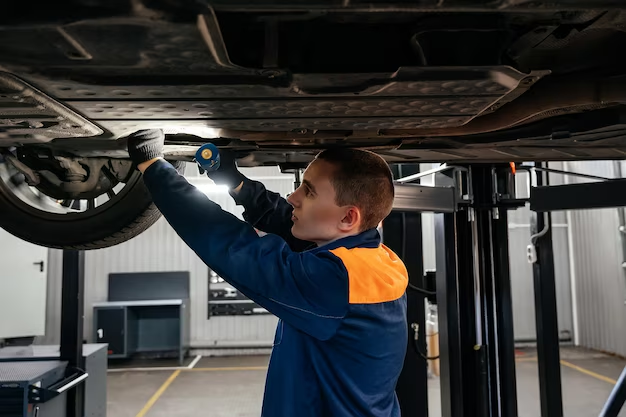
At a professional shop, technicians inspect the entire belt system, including the idler pulleys and tensioner assembly, to ensure everything works together correctly.
What Causes Serpentine Belt Wear?
Several factors contribute to belt wear:
- Heat cycles from daily driving
- Oil or coolant contamination
- Misaligned pulleys
- Weak or worn tensioners
- Age and mileage
In areas like Aliso Viejo, where warm temperatures are common, heat can accelerate rubber breakdown. Over time, the belt loses flexibility and grip, increasing the risk of serpentine belt squeal.
Even if you do not hear noise, routine inspection during oil changes or maintenance services is a smart move.
Is It Safe to Keep Driving With a Squealing Belt?
Many drivers ignore a serpentine belt squeal because the car still seems to run fine. That can be a costly mistake.
A slipping belt generates heat. Heat increases wear. Eventually, the belt can snap without warning.
If the belt breaks:
- You may lose power steering instantly
- The battery will stop charging
- The engine could overheat
- You may be stranded on the road
What started as minor belt squeal when starting can turn into a serious inconvenience.
The safest approach is simple: if you hear it, have it checked.
How Professionals Diagnose Belt and Tensioner Issues
A thorough inspection includes:
- Checking for a cracked serpentine belt or glazing
- Testing belt tension
- Inspecting the belt tensioner for smooth movement
- Listening for idler pulley noise
- Checking pulley alignment
Certified technicians use their training and experience to identify not just the symptom, but the root cause.
At Aliso Viejo Auto Service, ASE-certified technicians with over 30 years of combined experience carefully evaluate the entire belt system. Ongoing training through ATI, WORLDPAC Training Institute, and AAPEX ensures they stay up to date with modern vehicle designs.
That means your vehicle receives accurate diagnosis, not guesswork.
How Often Should a Serpentine Belt Be Replaced?
There is no one-size-fits-all answer. Replacement intervals vary by manufacturer and driving conditions. However, many vehicles require inspection around major service intervals.
Rather than focusing only on serpentine belt replacement cost, it is more important to focus on condition. A belt that looks good and maintains proper tension may last longer, while one showing early wear should be replaced sooner.
Preventive maintenance is always less stressful than emergency repairs.
What About the Serpentine Belt Replacement Cost?
Drivers often search for serpentine belt replacement cost because they want to understand what to expect. While cost can vary depending on vehicle type and whether additional components such as tensioners or idler pulleys need replacement, the more important consideration is value.
Replacing a worn belt and addressing belt tensioner symptoms early helps prevent damage to other engine components. It also reduces the risk of roadside breakdowns.
When the job is done correctly with quality parts, it becomes a smart investment in your vehicle’s reliability.
Why Quality Parts and Proper Installation Matter
Not all belts are created equal. Using high-quality parts ensures durability and proper fit.
Improper installation can lead to:
- Continued serpentine belt squeal
- Premature wear
- Pulley misalignment
- Recurring idler pulley noise
At Aliso Viejo Auto Service, only top-quality parts, fluids, and equipment are used. Every repair is backed by a strong warranty for added peace of mind. If something is not right, they make it right.
That is the kind of transparency and accountability drivers appreciate.
Preventing Future Belt Problems
While wear is inevitable, you can reduce the risk of issues by:
- Addressing leaks quickly to prevent belt contamination
- Scheduling routine inspections
- Paying attention to new noises
- Avoiding delayed maintenance
If you hear a chirping noise from the engine or a repeated belt squeal when starting, treat it as an early warning system.
Your car is communicating. Listening saves time and stress.
Why Choose a Trusted Local Shop?
When it comes to serpentine belt replacement, Aliso Viejo, CA drivers need a shop they can trust.
Aliso Viejo Auto Service is proud to serve the community as a reliable dealer alternative. With a 4.9-star rating on Google Reviews and a commitment to honest, transparent communication, they focus on education and respect.
Their ASE-certified technicians explain repairs in plain language. No confusing jargon. No pressure. Just clear information so you can make informed decisions.
Every repair is backed by a warranty, giving you confidence long after you leave the shop.
From routine oil changes to complete belt system repairs, everything is handled under one roof with professionalism and care.
If your vehicle is making a serpentine belt squeal, if you are noticing belt tensioner symptoms, or if you suspect a cracked serpentine belt, do not ignore it.
Schedule your inspection with Aliso Viejo Auto Service today. Call now or book your appointment online and let their certified team restore quiet, smooth performance to your vehicle. Reliable auto repair from people who care is just one visit away.