Planning a road trip is one of the most exciting ways to explore new places, reconnect with nature, or simply enjoy the open road. However, before you embark on your journey, ensuring your vehicle is in top condition should be a top priority. In this blog post, we’ll delve into why vehicle inspection is crucial for road trip safety, covering everything from tire health to fluid levels. Whether you’re a seasoned traveler or planning your first adventure, these insights will help keep you safe and sound on the road.
Why Vehicle Inspection is Essential
When you’re driving long distances, your car is your most important travel companion. A vehicle inspection can help identify potential problems before they become major issues. This proactive approach is not just about avoiding breakdowns but also about ensuring your car’s overall safety and efficiency.
Preventing Breakdowns
One of the primary reasons for vehicle inspections is to prevent unexpected breakdowns, which can be both dangerous and costly. A thorough inspection can catch small issues before they escalate, saving you from getting stranded in an unfamiliar area.
Ensuring Optimal Performance
Regular checks ensure that your vehicle is operating at its best. This includes everything from fuel efficiency to smooth handling, which is particularly important when traversing different terrains. You’ll enjoy a smoother ride and peace of mind knowing your car is in optimal condition.
Tires: The Foundation of Safety
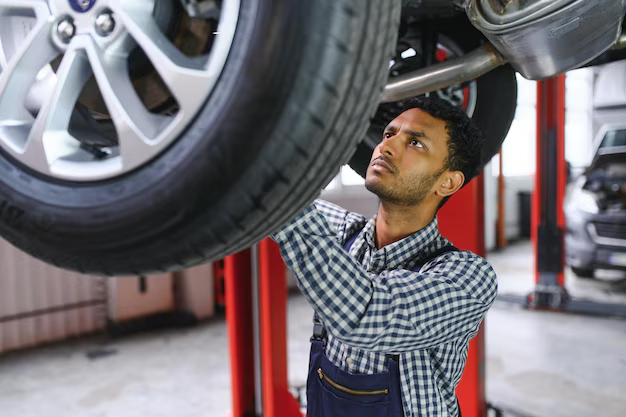
Tires are the only contact point between your vehicle and the road, making them critical for road trip safety. A detailed inspection can reveal issues that could lead to dangerous situations.
Checking Tire Pressure
Proper tire pressure is vital for safe driving. Under-inflated tires can lead to poor fuel efficiency and increased wear, while over-inflated tires can reduce traction. Check your tire pressure regularly and adjust it according to the manufacturer’s recommendations.
Assessing Tire Tread
Tire tread depth affects your car’s grip on the road, especially in wet conditions. Ensure your tires have adequate tread to avoid slipping and skidding. The penny test is a quick way to check tread depth—insert a penny into the tread with Lincoln’s head upside down; if you can see the top of his head, it’s time for new tires.
Fluid Levels: The Lifeblood of Your Vehicle
Fluids play a crucial role in maintaining your car’s performance and longevity. Ensuring all fluids are at their proper levels is a key part of vehicle inspection.
Engine Oil
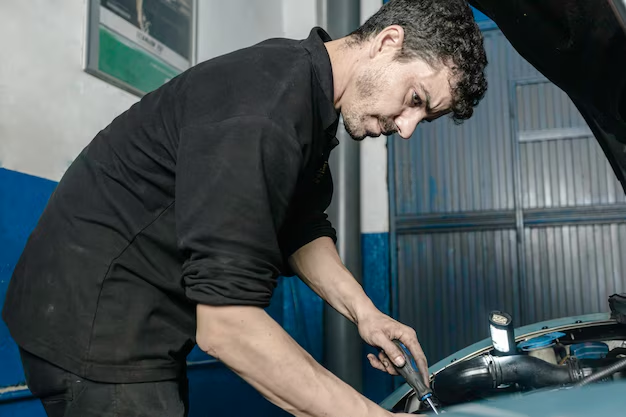
Engine oil lubricates the moving parts of your engine, reducing friction and preventing overheating. Check your oil level and change it if necessary before hitting the road. This can prevent engine damage and improve efficiency.
Coolant and Brake Fluid
Coolant helps regulate your engine’s temperature, while brake fluid is essential for safe stopping. Low levels of these fluids can lead to overheating or brake failure, respectively. Top them up as needed to ensure your vehicle runs smoothly.
Brakes: Your Vehicle’s Safety Net
Brakes are a critical component of your vehicle, directly affecting your ability to stop safely. A brake inspection should be a non-negotiable part of your pre-trip checklist.
Inspecting Brake Pads and Rotors
Worn brake pads and rotors can compromise your stopping power. Listen for squeaking noises or vibrations when braking, as these can be signs of wear. Replace any worn-out components to ensure you can stop quickly in emergencies.
Testing Brake Response
Ensure your brakes respond promptly and consistently. A spongy or delayed response can indicate air in the brake lines or a fluid leak, both of which require immediate attention.
If you notice any delay in braking response, have a professional inspect your brake system. Addressing issues early can prevent brake failure and ensure your safety on the road.
Lights and Signals: Visibility Matters
Being visible to other drivers and seeing the road clearly is essential for avoiding accidents. Inspect your vehicle’s lighting system to ensure everything is functioning correctly.
Checking Headlights and Taillights
Your headlights and taillights should be bright and clear. Replace any burnt-out bulbs and clean the lenses to enhance visibility. This is particularly important for night driving or adverse weather conditions.
Inspecting Turn Signals and Hazard Lights
Functioning turn signals and hazard lights are crucial for communicating with other drivers. Test these regularly and replace any faulty bulbs to ensure you’re always signaling your intentions on the road.
Effective communication on the road can prevent accidents and misunderstandings. Regularly inspect and maintain your vehicle’s signal lights to ensure proper functionality.
Battery: Powering Your Journey
A reliable battery is vital for starting your vehicle and powering its electrical systems. A battery check can help avoid the inconvenience and danger of a dead battery.
Testing Battery Charge
Check your battery charge and age. Most batteries last around three to five years, so if yours is nearing the end of its life, consider replacing it before your trip.
Inspecting Battery Terminals
Corroded battery terminals can impede electrical flow. Clean any corrosion with a baking soda and water solution, and ensure the terminals are tightly connected to avoid power issues.
Regular maintenance of battery terminals can prevent starting issues and prolong battery life. A simple cleaning can save you from unnecessary stress and repair costs.
Emergency Kit: Be Prepared for the Unexpected
Despite thorough inspections, emergencies can still occur. Having an emergency kit can make all the difference when you’re stuck in a difficult situation.
Essential Items to Include
A basic emergency kit should include items like a first-aid kit, flashlight, jumper cables, and basic tools. Additionally, pack a spare tire, jack, and lug wrench in case of a flat.
Consider adding a portable phone charger and a reflective vest for increased visibility during roadside emergencies. These items are relatively inexpensive but invaluable in emergencies.
Seasonal Considerations
Depending on the time of year and your destination, additional items like blankets, water, and non-perishable food might be necessary. Tailor your kit to suit the environment you’ll be traveling through.
For winter travel, consider including tire chains and an ice scraper. These items are crucial for navigating snowy or icy conditions safely.
Taking the time to inspect your vehicle before a road trip can prevent many issues and ensure your journey is safe and enjoyable. If you’re in Aliso Viejo, CA, and need a professional inspection, contact Aliso Viejo Auto Service. Our expert technicians will help ensure your vehicle is road-trip-ready, giving you peace of mind on your adventure.